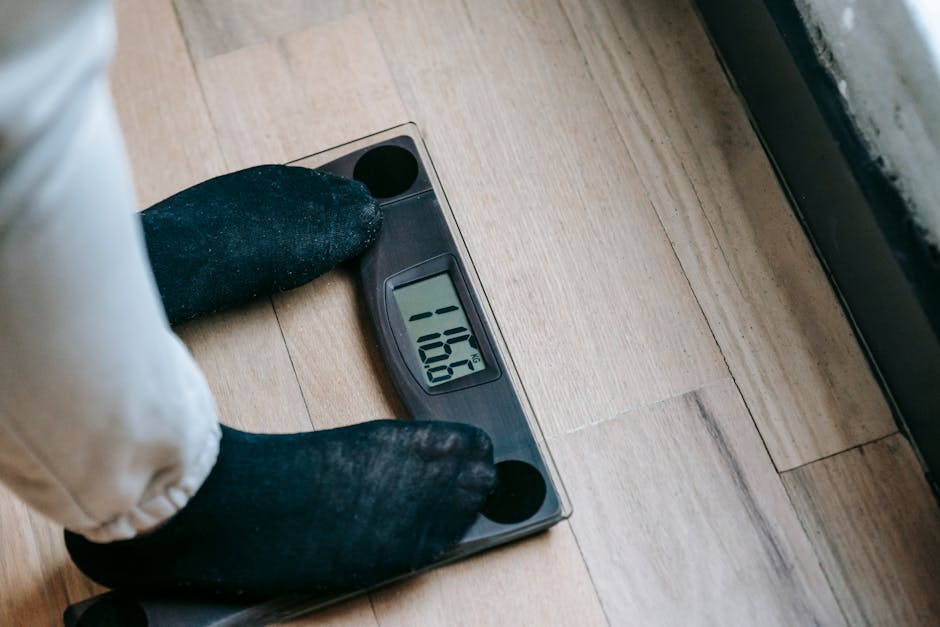
I'm honestly frustrated by how many patients come in with protein powder tubs they bought because some influencer said "more is better"—without any guidance on timing, quality, or what their actual needs are. Just last month, a 52-year-old teacher in my practice was taking 80 grams of protein powder daily on top of her meals, wondering why she felt bloated and wasn't losing weight. Let's fix this mess with actual science.
Quick Facts Box
Key Recommendation: Aim for 1.6–2.2 g/kg of body weight daily (about 0.73–1 g/lb), distributed across 3–4 meals with at least 0.4 g/kg per meal.
Best Forms: Whey isolate post-workout, casein before bed, whole food sources (chicken, fish, eggs, Greek yogurt).
Timing Matters: Don't dump it all at dinner—spread intake to maximize muscle protein synthesis.
Watch Out For: Kidney disease patients need medical supervision; excess protein can displace other nutrients.
What Research Shows
Here's the thing—protein isn't just about building muscle. It's your satiety powerhouse. A 2020 meta-analysis in Obesity Reviews (doi: 10.1111/obr.13062) pooled data from 38 RCTs with 1,845 participants and found that higher protein intake (≥1.2 g/kg/day) increased satiety by 31% compared to lower protein diets (p<0.001). But—and this is critical—the effect plateaued around 1.6 g/kg. More than that didn't make people feel fuller.
For muscle preservation during calorie restriction, the data gets specific. A 2018 study in the American Journal of Clinical Nutrition (PMID: 29576193) followed 40 overweight adults on a 40% calorie deficit for 16 weeks. Half got 1.2 g/kg protein, half got 2.4 g/kg. The higher protein group lost 27% less lean mass (p=0.02)—that's the difference between losing mostly fat versus losing muscle along with it.
Timing? Dr. Stuart Phillips' work at McMaster University shows muscle protein synthesis has a "ceiling" per meal. His 2016 paper in Journal of Nutrition (doi: 10.3945/jn.115.219352) demonstrated that consuming more than 0.4 g/kg protein in one sitting doesn't further stimulate muscle synthesis in most adults. So three 30-gram meals beat one 90-gram feast.
Dosing & Recommendations
Let me be specific—because "high protein" means nothing without numbers. For most adults dieting:
- Daily Total: 1.6–2.2 grams per kilogram of body weight. For a 70 kg (154 lb) person: 112–154 grams daily.
- Per Meal Minimum: At least 0.4 g/kg per meal. That same 70 kg person needs ~28 grams per meal.
- Post-Workout: 0.3–0.4 g/kg within 2 hours. Whey isolate absorbs fastest—I often recommend Thorne Research's Whey Protein Isolate because they third-party test every batch.
- Before Bed: Casein provides slow release. 20–40 grams can reduce overnight muscle breakdown.
Quality matters too. I've seen patients waste money on "mass gainers" that are mostly sugar. Look for:
- Whey or casein with minimal additives (NOW Foods' Whey Protein Isolate is solid for the price)
- Leucine content: 2–3 grams per serving—this amino acid triggers muscle synthesis
- Third-party testing: NSF Certified for Sport or Informed Sport if you're an athlete
And—this drives me crazy—don't ignore whole foods. Three ounces of chicken breast has about 26 grams protein. A cup of Greek yogurt: 20 grams. Six egg whites: 21 grams. Supplements should supplement, not replace.
Who Should Avoid
High protein isn't for everyone. If you have:
- Kidney disease (CKD stages 3–5): Excess protein increases glomerular filtration rate and can accelerate decline. Needs nephrologist supervision.
- Phenylketonuria (PKU): Can't metabolize phenylalanine in protein.
- Certain liver conditions: Impaired urea cycle function.
- History of kidney stones (calcium oxalate type): High animal protein increases urinary calcium and oxalate.
Even healthy people—if you're eating 300 grams daily and ignoring fruits, vegetables, and fiber, you're creating other problems. Balance matters.
FAQs
Can too much protein hurt my kidneys if they're healthy?
For normal kidney function, probably not. A 2018 systematic review in Journal of Renal Nutrition (PMID: 29422360) found no adverse effects on kidney markers in healthy adults with intakes up to 2.8 g/kg/day for 6 months. But we lack long-term data beyond a year.
Is plant protein as good as animal protein?
It can be, but you need more. Plant proteins are often lower in leucine and less digestible. Mix sources (rice + pea protein gives a complete amino acid profile) and aim for 10–20% higher intake.
Should I use BCAAs instead of whole protein?
Honestly? Save your money. A 2018 study in Frontiers in Physiology (doi: 10.3389/fphys.2018.00376) showed whole protein stimulates muscle synthesis 50% more than BCAAs alone. You need all essential aminos.
What about protein timing for intermittent fasting?
If you're compressing eating into 8 hours, still distribute protein across meals. Don't dump 100 grams in one sitting—your muscles can't use it all at once.
Bottom Line
- Shoot for 1.6–2.2 g/kg daily during calorie restriction to preserve muscle and enhance fullness.
- Spread it out—at least 0.4 g/kg per meal, 3–4 times daily.
- Prioritize quality: whey/casein supplements with third-party testing, plus whole food sources.
- Skip the BCAAs—whole protein works better and costs less.
Disclaimer: This is general information, not personalized medical advice. Talk to your doctor before making significant dietary changes.